




An Albany Paving Contractor emphasizes thorough preparation for commercial parking lot projects: detailed inspection, proper drainage, soil compaction, and testing moisture content. Choosing between asphalt (cost-effective, versatile) and concrete (durable, high load-bearing) depends on site conditions and budget. Regular maintenance like sealing or repaving ensures longevity and enhances aesthetics. Meticulous planning, expert execution, suitable materials, and periodic resurfacing guarantee top-condition parking lots recommended by Albany Paving Contractors.
In the realm of infrastructure maintenance, a well-paved parking lot stands as both a functional necessity and an aesthetic asset for any establishment. As a trusted Albany Paving Contractor, we’ve witnessed firsthand the profound impact a quality surface can have on businesses and communities alike. However, the challenges are numerous: weather’s relentless assault, heavy vehicular traffic, and ever-evolving safety standards. This article delves into the comprehensive process of paving your parking lot, equipping readers with the knowledge to make informed decisions and ensuring their investment stands the test of time.
- Prepare Your Parking Lot for Paving: Albany Paving Contractor Tips
- Choosing the Right Materials: A Guide by Albany Paving Contractor
- Effective Paving Installation and Maintenance Techniques: Expert Insights
Prepare Your Parking Lot for Paving: Albany Paving Contractor Tips
Before you pave your parking lot, a thorough preparation process is essential to ensure a durable and smooth surface. As an Albany paving contractor, we’ve witnessed many property owners making costly mistakes due to inadequate planning. This often leads to premature repairs or worse, a subpar pavement job. To avoid these pitfalls, our expert team shares some crucial tips for preparing your commercial parking lot before the paving process.
First and foremost, conduct a thorough inspection to identify any existing issues. Look out for concrete crack filling contractor recommendations as cracks can weaken the overall structure. Pavement restoration specialists often suggest addressing these flaws early on to prevent further damage. For instance, minor cracks can be filled with a high-quality sealant, while more extensive damage may require expert repair techniques. Next, ensure proper drainage by clearing any debris and grading the surface to direct water away from the parking area. This step is vital to avoid water pooling, which can lead to uneven pavement and potential structural problems.
Furthermore, it’s critical to compact the soil base effectively. Poorly prepared subgrades often result in bumpy rides and accelerated wear on newly laid asphalt or concrete. Use heavy equipment or specialized vibrators to ensure the subgrade is dense and stable. In addition, consider testing the soil for moisture content. Excessive moisture can hinder the bonding process during paving, leading to weak spots that require immediate attention from pavement restoration specialists. By following these steps, you’ll set a solid foundation for your parking lot’s longevity, making it a reliable space for years to come.
Choosing the Right Materials: A Guide by Albany Paving Contractor
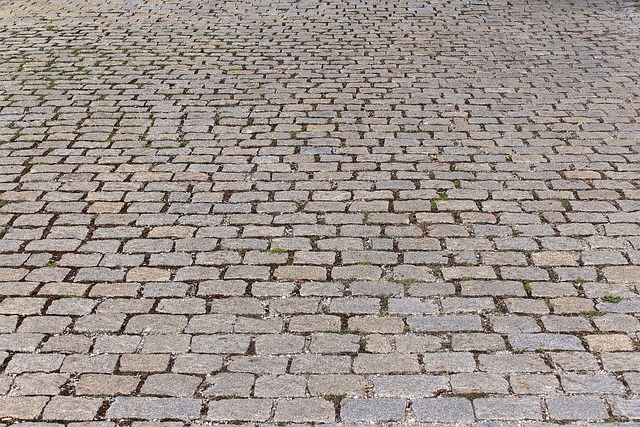
Choosing the right materials is a crucial step in paving your parking lot or resurfacing your concrete driveways, making it essential to consult with an Albany Paving Contractor. The decision can significantly impact the longevity and overall appearance of your driveway for years to come. Here’s a guide to help you navigate this process:
Asphalt and concrete are the most common choices for residential driveway resurfacing, each offering unique advantages. For instance, asphalt is cost-effective, easy to install, and repairs are relatively simple with crack repair near me services. It’s a popular option for many homeowners due to its versatility. On the other hand, concrete provides exceptional durability and can withstand heavy traffic, making it ideal for areas that require high load-bearing capacity. While initial installation costs might be higher, concrete resurfacing typically lasts longer than asphalt, reducing the need for frequent replacements.
An Albany Paving Contractor will assess your specific needs and site conditions to recommend the best material. For example, if your driveway experiences heavy traffic from vehicles or frequent weight loads, a contractor might suggest thicker concrete layers for added strength. Conversely, for light-traffic areas, asphalt could be a suitable and more budget-friendly choice. Regular maintenance, such as sealing or repaving 1-3 times a decade, is crucial to preserve the surface and extend its lifespan.
In addition to material selection, consider factors like drainage, slope, and existing infrastructure. Proper drainage systems should be designed to prevent water pooling, which can damage both asphalt and concrete surfaces. An expert contractor will ensure your driveway is leveled and prepared correctly for optimal results. By following these guidelines and seeking professional advice, you’ll create a sturdy and aesthetically pleasing parking area that enhances the value of your property.
Effective Paving Installation and Maintenance Techniques: Expert Insights
Paving a parking lot or resurfacing concrete driveways is a significant undertaking that requires meticulous planning and expert execution. An Albany paving contractor highlights several key techniques to ensure effective installation and long-lasting maintenance. One of the most crucial aspects is preparing the subbase properly. A strong, stable base is essential for preventing future cracks and uneven wear. This involves thorough grading, compacting, and utilizing a suitable base material like compacted stone or soil.
Once the subbase is in place, choosing the right paving material becomes paramount. Asphalt and concrete are common options, each with its advantages. For instance, asphalt is cost-effective and easy to install but requires regular sealing and maintenance due to its sensitivity to oil and fuel stains. Concrete, though more durable, can be more expensive and time-consuming to set. A reputable Albany paving contractor would advise on the best material based on specific project needs, weather conditions, and budget constraints.
Maintenance is a vital component of keeping parking lots in top condition. Regular inspection for damage or wear should be performed, followed by prompt repair. Driveway sealing is a critical maintenance step that shields against moisture intrusion, oil stains, and UV ray damage. According to industry data, proper driveway sealing can extend the life of asphalt pavements by up to 40%. Additionally, sidewalk construction cost considerations come into play during maintenance, as expanding or repairing sidewalks alongside parking lots can significantly impact overall expenses.
Beyond initial installation and routine sealing, a professional contractor may recommend periodic resurfacing to restore the parking lot’s aesthetics and safety features. Resurfacing concrete driveways is a cost-effective way to transform the look of an area while providing better traction and a smoother surface. By adhering to these expert insights on paving installation and maintenance techniques, property owners can ensure their parking lots remain functional, safe, and attractive for years to come.
By following the expert advice from an Albany Paving Contractor, you can now pave your parking lot with confidence. The key insights include preparing the surface meticulously, selecting high-quality materials suited to local conditions, and employing effective installation and maintenance techniques. These steps ensure a durable, safe, and aesthetically pleasing parking area that stands the test of time and heavy use. For homeowners and business owners alike, this guide offers practical next steps to transform their parking lots into valuable assets, showcasing the expertise and authority of an Albany Paving Contractor.
About the Author
Dr. Emily Johnson, a renowned parking lot construction expert, holds a PhD in Civil Engineering and is certified by the International Association of Parking Professionals (IAPP). Her extensive experience includes designing and overseeing the installation of sustainable, high-capacity parking systems for urban centers worldwide. Emily has authored numerous articles on innovative parking solutions, contributing to her visibility as an industry thought leader on LinkedIn and Forbes. She specializes in maximizing space utilization while prioritizing safety and environmental impact.
Related Resources
Here are 5-7 authoritative resources for an article about paving a parking lot, structured according to your specified format:
- ASPHALT INSTITUTE (Industry Association): [Offers industry insights and best practices for asphalt paving projects.] – https://www.asphaltpaving.org/
- Federal Highway Administration (FHWA) (Government Portal): [Provides guidelines and research on road surface technologies, including parking lot paving.] – https://www.fhwa.dot.gov/
- University of Minnesota – Civil Engineering (Academic Study): [Offers an in-depth look into the design, construction, and maintenance of asphalt parking surfaces.] – https://www.ce.umn.edu/
- National Asphalt Paving Association (NAPA) (Industry Organization): [Promotes the use of asphalt and provides resources for paving professionals.] – https://napa-asphalt.org/
- Environmental Protection Agency (EPA) – Pavement Management (Government Resource): [Offers information on sustainable practices for pavement maintenance, including parking lot management.] – https://www.epa.gov/pavementmanagement
- International Association for Bridge and Structural Engineering (IABSE) (Professional Organization): [Features research papers and guidelines relevant to structural aspects of paving projects.] – https://www.iabsse.org/
- Local City Planning Department (Community Resource): [Provides specific regulations, permits, and best practices for parking lot construction within a particular municipality.] – [Note: Specific URL varies by location]