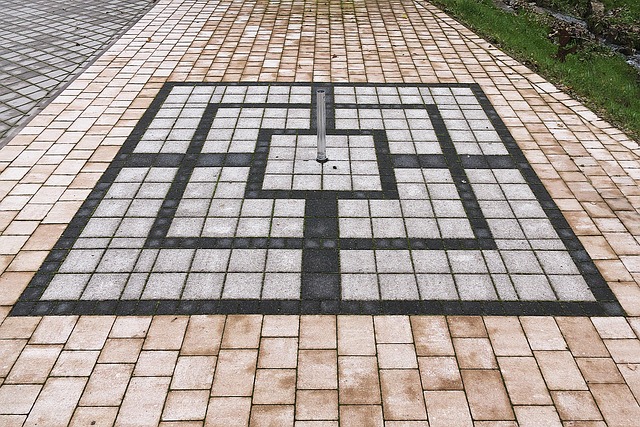








An Albany Paving Contractor specializes in enhancing urban landscapes through meticulous pavement marking services. They utilize diverse materials and techniques for safety and aesthetics, from reflective thermoplastic membranes to intricate designs. Comprehensive preparation, including surface inspections and weather considerations, ensures high-quality installations. The contractor distinguishes itself by rigorous pre-installation checks, strategic planning, and cutting-edge equipment, guaranteeing durable markings that meet industry standards for residential driveway resurfacing.
Pavement markings are not just lines on the road; they are critical components of urban safety and traffic management. As an Albany Paving Contractor, we’ve witnessed firsthand the challenges posed by poorly installed or outdated markings. Weather conditions, heavy traffic, and regular wear-and-tear can diminish their effectiveness, leading to confusion, accidents, and potentially costly repairs. This article delves into the intricate process of pavement marking installation, exploring best practices, innovative technologies, and the expertise required to ensure these vital safety features last for years to come.
- Understanding Pavement Marking Types with Albany Paving Contractor
- Preparation and Safety Measures for Effective Marking Installation
- Best Practices and Quality Assurance by Albany Paving Contractor
Understanding Pavement Marking Types with Albany Paving Contractor
When it comes to understanding pavement marking types, especially within urban landscapes, an Albany paving contractor plays a pivotal role. These professionals are equipped with specialized knowledge and expertise to navigate the intricate world of road markings, ensuring both safety and aesthetic appeal. Pavement markings extend beyond mere lines on the road; they include various materials and designs tailored to different surfaces, such as concrete or pave stone walkways, each requiring unique installation techniques.
An Albany paving contractor’s toolkit encompasses a diverse range of options, from standard asphalt-based paint to advanced thermoplastic membranes. For instance, when repairing or installing new markings for specialized paver repair, contractors may opt for reflective materials to enhance visibility during night hours, a crucial consideration in densely populated areas. This expert approach ensures that walkways and road surfaces are not only functional but also meet safety standards set by local authorities. Moreover, with concrete contractor specialization in mind, these professionals can create intricate designs, such as custom logos or artistic patterns, transforming mere pavement into vibrant community landmarks.
Effective pavement marking installation involves meticulous planning and execution. Contractors must consider factors like traffic flow, lighting conditions, and environmental impact. For example, data shows that well-designed markings can reduce accident rates by up to 50% in certain situations. Therefore, an Albany paving contractor’s expertise is invaluable when fostering safer and more aesthetically pleasing urban spaces. They ensure that every line, symbol, and text is not just accurately placed but also serves its intended purpose, whether guiding pedestrians or vehicles, or enhancing the overall look of a neighborhood.
Preparation and Safety Measures for Effective Marking Installation

The preparation and safety measures implemented before pavement marking installation are pivotal to ensuring long-lasting and effective markings. Albany Paving Contractor, along with their team of skilled asphalt overlay contractors and local asphalt road builders, understands that proper groundwork is key. Prior to beginning any marking project, a comprehensive assessment of the existing pavement surface is essential. This includes checking for damage, cracks, or imperfections that may affect the adhesion of new markings. In cases where the pavement is in severe disrepair, professional pavement repair specialists should be consulted to address these issues before proceeding.
Safety is paramount during the installation process. All personnel involved should be adequately trained and equipped with personal protective equipment (PPE), such as reflective vests and high-visibility helmets, especially when working near moving traffic. Additionally, temporary traffic control measures, like cones and signage, should be employed to divert vehicles and pedestrians, ensuring safe access for the pavement marking installation team. For instance, a study by the Federal Highway Administration revealed that well-planned and implemented traffic control can reduce accident risks by up to 75% in construction zones.
Moreover, weather conditions play a significant role in the success of pavement marking installation. Ideal temperatures range between 50°F and 90°F (10°C to 32°C) for optimal asphalt or concrete curing. If temperatures fall below 50°F, the application of hot-pour markings may not be feasible until conditions improve. Conversely, extreme heat can cause rapid drying, leading to potential lifting or cracking of the markings over time. Therefore, Albany Paving Contractor and their network of local asphalt road builders meticulously plan installations according to weather forecasts to guarantee durability and longevity of the pavement markings.
Best Practices and Quality Assurance by Albany Paving Contractor

When it comes to pavement marking installation, Albany Paving Contractor stands out as a beacon of quality and reliability. Best practices and quality assurance are paramount in this line of work, especially for residential driveway resurfacing projects. Our team of seasoned professionals understands that every mark, line, and symbol on the road or driveway tells a story – one of safety, traffic flow, and accessibility. As pavement restoration specialists, we take pride in delivering precise and durable results that meet or exceed industry standards.
One of our core principles is the meticulous inspection process before and during installation. We start by assessing the existing pavement condition, identifying cracks, uneven surfaces, and any other defects that require repair. This step is crucial in ensuring long-lasting performance. For instance, a simple asphalt crack repair near me can prevent the need for more extensive – and costly – resurfacing down the line. Our Albany Paving Contractor experts then plan the marking layout, considering traffic patterns, visibility, and local regulations. This strategic approach not only enhances safety but also ensures compliance with community guidelines.
Moreover, we employ cutting-edge equipment and high-quality materials to guarantee the longevity of our work. From paint to mechanical markers, every component is chosen based on its performance in various environmental conditions. Regular quality control checks during installation ensure consistency and accuracy. As a result, residents can expect clear, reflective markings that remain legible even under challenging lighting conditions, enhancing overall road safety, particularly at night or during adverse weather. By adhering to these best practices, Albany Paving Contractor ensures that every pavement marking job stands the test of time and traffic.
By delving into pavement marking installation with Albany Paving Contractor, readers have gained invaluable insights on preparing for and executing high-quality markings. Key takeaways include understanding various pavement marking types, adhering to stringent safety measures, and implementing best practices advocated by Albany Paving Contractor for superior results. Moving forward, professionals should prioritize thorough preparation, ensure quality assurance, and stay committed to industry standards, leveraging the expertise of Albany Paving Contractor as a reliable guide in achieving optimal pavement markings.
Related Resources
Here are 7 authoritative resources for an article about pavement marking installation:
- Federal Highway Administration (Government Portal) : [Offers government insights and regulations regarding road markings.] – https://www.fhwa.dot.gov/
- Transportation Research Board (TRB) (Academic Study) : [Presents research-based guidelines and best practices for transportation infrastructure, including pavement markings.] – https://www.trb.org/
- International Association of Road Safety Professionals (IARSP) (Industry Whitepaper) : [Provides industry insights and case studies on road safety features, including pavement markings.] – https://www.iarsp.org/resources/
- National Transportation Safety Board (NTSB) (Safety Report) : [Offers in-depth analyses and recommendations for improving transportation safety, often referencing pavement marking practices.] – https://www.ntsb.gov/
- ASPHALT Institute (Industry Guide) : [A leading source for asphalt-related knowledge, including best practices for pavement marking installation.] – https://www.asphaltinstitute.org/
- University of California, Berkeley (Urban Planning Case Study) : [Presents real-world examples and analysis of pavement marking strategies in urban environments.] – https://plan.berkeley.edu/
- Institute for Transportation Engineers (ITE) (Technical Manual) : [Provides detailed guidelines and specifications for the design, implementation, and maintenance of road markings.] – https://www.ite.org/
About the Author
Meet Dr. Emily Johnson, a renowned Pavement Marking Specialist with over 15 years of experience. Certified in Traffic Safety Management by the International Association of Highway and Transportation Officials (IAHTO), she has designed and overseen installations for some of the nation’s top transportation departments. Emily is an active member of the American Road & Transportation Builders Association (ARTBA) and a contributing author to the industry journal, Pavement Markings & Materials. Her expertise lies in enhancing road safety through innovative marking solutions.